
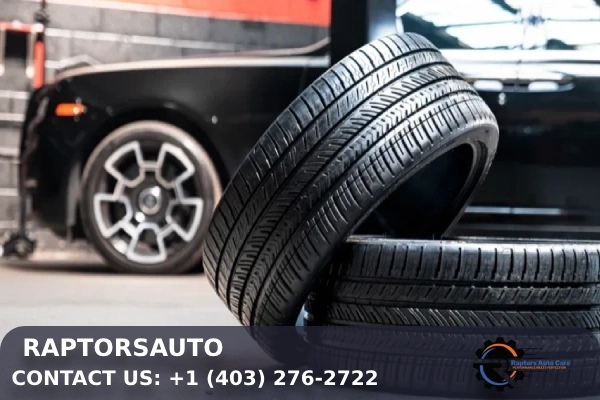
Choosing the correct AWD Tire Size is not just a matter of aesthetics or basic fitment; it is a critical technical requirement for the longevity of your vehicle’s drivetrain. If you drive an All-Wheel Drive (AWD) vehicle, you’ve likely heard the warning: “You must replace all four tires at once.”
While this sounds like a sales tactic, it is actually rooted in complex mechanical engineering. At Raptorsauto, we see the aftermath of mismatched tires every season—from damaged center differentials to overheated transfer cases.
In this comprehensive 2026 guide, we break down everything you need to know about AWD Tire Size matching, tolerances, and how to protect your investment.
The primary issue with AWD Tire Size discrepancies is the rotational speed. In an AWD system, the computer and mechanical components expect all wheels to spin at the same rate when driving straight.
Even a small difference in diameter can trick the system into thinking one wheel is slipping, leading to constant, unnecessary engagement of the AWD components.
This creates friction, heat, and eventually, a very expensive repair bill. Whether you are looking for the best tire service calgary or trying to DIY your maintenance, understanding these tolerances is vital.
What Is AWD Tire Size and Why It Matters
When we talk about AWD Tire Size, we are referring to the overall rolling diameter of the tire, not just the numbers printed on the sidewall.
Two tires labeled 225/65R17 might actually have different diameters if they are from different brands or have different levels of tread wear. In an AWD vehicle, the power is distributed to all four wheels through a series of differentials and a transfer case.
How AWD Systems Work With Tire Sizes
Modern AWD systems use wheel speed sensors to monitor traction. If your AWD Tire Size varies between the front and rear axles, the sensors detect that one set of wheels is spinning faster than the other.
The vehicle’s ECU (Electronic Control Unit) interprets this as a loss of traction. Consequently, the system tries to compensate by shifting power, which puts immense “wind-up” stress on the drivetrain. Constant engagement of these parts leads to premature wear of the clutches and gears within the AWD assembly.
Do AWD Tires Need to Be the Same Size?
The short answer is a resounding yes. To maintain the integrity of the drivetrain, your AWD Tire Size must be identical across all four corners.
This means more than just having the same numbers on the sidewall; it means having the same brand, the same model, and nearly the same tread depth. Even if you find a tire with the exact all-wheel drive tire size specifications, a new tire paired with three worn tires will still cause a diameter mismatch.
What Happens If AWD Tire Sizes Don’t Match
If you ignore the AWD Tire Size requirements, you risk “driveline bind.” This occurs when the internal components of the transmission and differentials fight against each other because the wheels are covering different distances per revolution. Symptoms of mismatched AWD tire sizes include:
- Shuddering or vibrating during low-speed turns.
- A noticeable “binding” sensation when parking.
- Warning lights on the dashboard (AWD or Traction Control).
- Increased fuel consumption due to mechanical drag.
- Total failure of the center differential or transfer case.
At Raptorsauto, we prioritize your safety and vehicle health. Understanding when to change winter tires is part of this process, but ensuring they match is the most critical step for AWD owners.
AWD Tire Size Tolerance Explained
While the goal is 100% uniformity, manufacturers recognize that perfection is difficult. Therefore, there is a specific tire size tolerance for AWD vehicles.
Most manufacturers, such as Subaru, Audi, and BMW, have strict guidelines regarding the allowable difference in circumference or tread depth.
Typically, this tolerance is within 2/32nds of an inch of tread depth among all four tires. If one tire is replaced and the others are worn down by 4/32nds, you have already exceeded the safe AWD Tire Size limit.
Acceptable Diameter Difference for AWD Vehicles
The AWD tire diameter difference should generally not exceed 1% of the total rolling circumference. For some sensitive systems, even a 0.5% difference can trigger mechanical issues.
When calculating AWD tire size matching, professionals use precise tools to measure the actual circumference of the inflated tire.
If you are searching for tire service calgary prices, ensure the shop understands these specific AWD requirements, as a standard “mount and balance” isn’t enough if the sizes don’t align. Failure to stay within these tolerances is the leading cause of “ghost” mechanical problems in modern SUVs and crossovers.
Expert Tip: Never mix different brands of tires on an AWD vehicle, even if the sizes are identical. Different manufacturers use different internal constructions and rubber compounds, which affect the actual AWD Tire Size when under the weight of the vehicle.
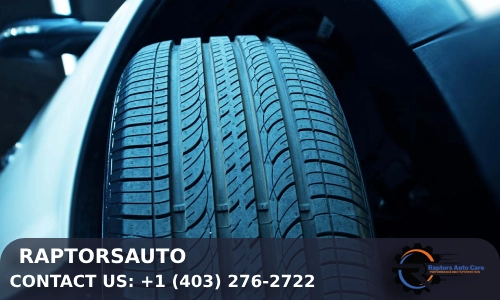
Replacing One Tire on an AWD Vehicle
One of the most common questions we get is: “I got a flat; do I really need to buy four new tires?” This is the ultimate AWD Tire Size dilemma.
If your remaining three tires are nearly new (with less than 2/32nds of wear), you can usually get away with replacing just one. However, if your tires are at 50% life, adding one brand-new tire creates a significant AWD tire diameter difference.
When Is It Safe and When Is It Risky?
It is safe to replace one tire if:
- The other three tires have at least 80-90% of their original tread.
- You can find the exact same make and model of tire.
- You perform a “tire shave” (a process where a professional trims the new tire down to match the tread depth of the others).
It is risky to replace one tire if:
- The tread wear difference is greater than 2/32″.
- The new tire is a different brand or model, even with the same AWD Tire Size.
- The vehicle is older and the drivetrain is already showing signs of wear.
If you find yourself in this situation in Alberta, looking for a mobile tire service calgary might provide a quick temporary fix, but a long-term solution requires a matched set to avoid damaging the AWD system.
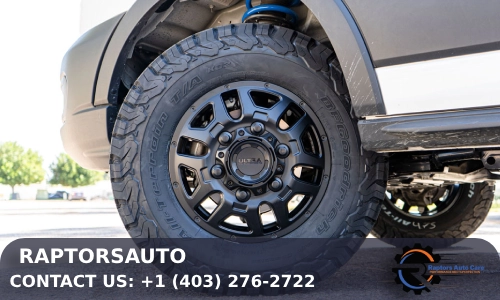
AWD Tire Size vs FWD and RWD Vehicles
Why are AWD vehicles so much more sensitive to AWD Tire Size than Front-Wheel Drive (FWD) or Rear-Wheel Drive (RWD) cars? In FWD and RWD vehicles, the non-driven wheels are not mechanically linked to the driven wheels through a central transfer unit.
If the front tires on a FWD car are slightly larger, it doesn’t affect the rear tires’ rotation. However, in an AWD setup, the front and rear axles are “locked” together through the drivetrain.
This mechanical connection is what makes AWD tire size matching non-negotiable. While FWD owners might look for the cheapest tire service calgary without worry, AWD owners must be more discerning to avoid $5,000 transmission repairs.
Common Myths About AWD Tires
- Myth: “I can put the two new tires on the front and old on the back.” Fact: This will still damage the center differential due to the AWD tire diameter difference.
- Myth: “As long as the R-number (rim size) is the same, I’m fine.” Fact: Rim size is only one part of the equation; the sidewall aspect ratio and tread wear dictate the actual AWD Tire Size.
- Myth: “Computers will just adjust for the difference.” Fact: While computers can adjust power split, they cannot stop the physical friction and heat generated by gears spinning at different speeds.
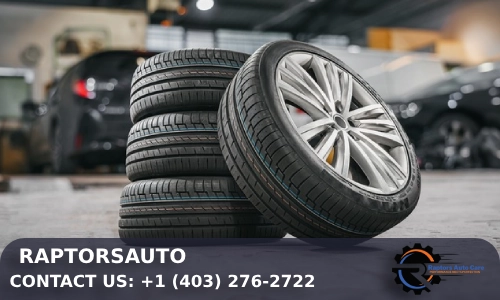
Maintenance Tips for AWD Tire Longevity
To maximize the life of your tires and your drivetrain, follow these AWD Tire Size maintenance rules:
- Rotate Regularly: Rotate your tires every 8,000 to 10,000 km. This ensures even wear across all four tires, keeping the AWD Tire Size consistent throughout their lifespan.
- Check Pressure Monthly: Under-inflated tires have a smaller rolling diameter. If one tire is low on air, it creates an artificial AWD tire size matching issue.
- Alignment Matters: Poor alignment causes uneven wear, which can lead to one tire wearing faster than the others, eventually exceeding the tire size tolerance for AWD.
- Seasonality: Knowing when to change winter tires in calgary is essential. Swapping entire sets ensures that your winter and summer tires wear at a consistent rate within their respective sets.
Why Raptorsauto is Your AWD Specialist
At Raptorsauto, we don’t just change tires; we protect drivetrains. Our technicians are trained specifically in the nuances of AWD Tire Size requirements.
We use precision depth gauges to measure every tire before recommending a replacement strategy. We understand that Calgary drivers face unique challenges, from deep snow to chinook-melted asphalt, making the AWD Tire Size even more critical for traction and safety.
We offer transparent advice—if you only need one tire and a shave, we’ll tell you. If you need four to save your transmission, we’ll explain why. Our goal is to provide the best tire service calgary residents can rely on for technical accuracy and honesty.
Frequently Asked Questions (FAQ)
Yes, for an AWD system to function correctly without mechanical strain, all four tires must have the same AWD Tire Size. This includes the brand, model, and tread depth (usually within a 2/32-inch margin).
The standard tire size tolerance for AWD is typically 2/32 of an inch in tread depth or within 1% of the total tire circumference. Check your owner's manual for your specific vehicle's requirements, as some brands like Subaru are even stricter.
You can only replace one tire if the other three are nearly new. If they are significantly worn, the new tire will have a different AWD Tire Size (diameter) than the others, which can damage the drivetrain. In most cases, replacing at least two (on the same axle) or all four is required.
Generally, an AWD tire diameter difference of more than 1/4 to 1/2 inch in circumference can cause issues. Mechanically, this translates to the sensors and differentials working overtime, leading to heat buildup.
Yes, using a mismatched AWD Tire Size can lead to catastrophic failure of the transfer case or center differential. The constant speed variance causes these components to overheat and wear out prematurely, leading to repairs that cost thousands of dollars.
Understanding the complexities of AWD Tire Size is the best way to ensure your vehicle remains reliable for years to reach. Whether you are navigating the icy streets of Alberta or heading out for a mountain adventure, your tires are the only thing connecting your AWD system to the road. Don’t compromise on quality or matching.
Before replacing your tires, know these facts to save money and stay safe. If you have questions about your specific vehicle’s AWD Tire Size, contact the experts at Raptorsauto today for a professional assessment.

Very good i like it
wish you best and best