
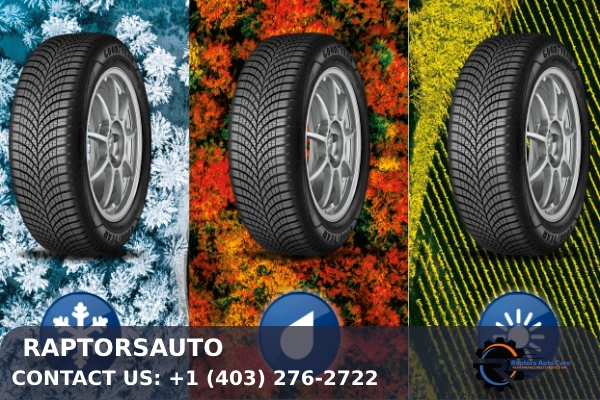
When it comes to safe driving in Canada, especially in Calgary’s unpredictable weather, understanding the difference between all season and winter tires can make all the difference between confident handling and dangerous skidding.
Many drivers assume all-season tires can handle everything, but that’s a dangerous misconception. Once temperatures dip below 7°C, even a few degrees can change how your tires grip the road.
That’s when the flexibility of the rubber, the tread pattern, and the overall performance start to shift—and that’s exactly why choosing the right tire matters.
What Is the Difference Between All Season and Winter Tires?
The difference between all season and winter tires comes down to their core engineering—rubber compounds, tread design, and how they perform under different temperatures.
All-season tires are designed as a balanced, versatile solution that performs adequately in dry, wet, and light snowy conditions.
They can handle rain, moderate heat, and occasional cold, but their performance declines once temperatures fall consistently below 7°C. Their rubber becomes harder, which means less grip and longer braking distances.
Winter tires, by contrast, are built with specialized rubber compounds that remain soft and flexible in cold weather.
This flexibility allows them to grip icy, snowy, and slushy roads far better than all-season tires ever could. Their tread blocks are deeper and more aggressive, with sipes (tiny slits) that bite into snow and push away slush and water.
If you’re trying to understand the difference between all season and winter tires vs snow tires, remember: “snow tires” is simply another name for winter tires.
They’re purpose-built for freezing, snowy, and icy conditions, while all-season tires are designed to balance convenience with decent year-round capability.

All-Season Tires – The Year-Round Option
All-season tires are a favorite among drivers who prefer simplicity. They’re designed to provide comfort, quiet performance, and durability through spring, summer, and fall—and even during mild winters. Because they’re made of harder rubber, they last longer and resist wear in warm temperatures.
Key features of all-season tires include:
- Durable rubber compounds for extended tread life.
- Tread patterns that efficiently disperse water and reduce hydroplaning.
- Performance stability in temperatures above 7°C.
- Decent traction in light snow but limited capability on ice.
Tire Replacement & Repair Calgary
Pros of All-Season Tires
- You can drive on them year-round.
- They’re more affordable upfront compared to buying two sets of tires.
- They’re quieter and more fuel-efficient in warm weather.
Cons of All-Season Tires
- Reduced grip in cold weather.
- Not ideal for heavy snow or icy roads.
- Can harden and lose traction quickly below freezing.
In Calgary’s often harsh winters, all-season tires might get you through short cold spells, but they can’t match the safety of true winter tires when snow starts piling up. They’re best for drivers who stick to city roads or drive infrequently during the coldest months.
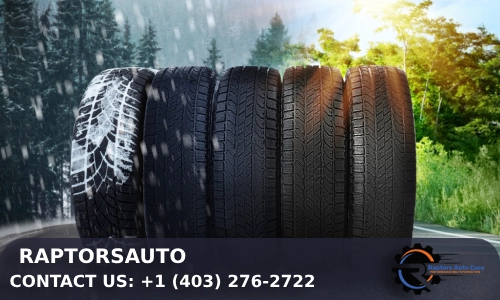
Winter Tires – Built for Canadian Cold and Safety
Winter tires are engineered for the realities of Canadian weather: snow-packed streets, icy intersections, and frigid temperatures. The difference is noticeable the moment you hit the brakes or make a quick turn.
Benefits of winter tires:
- Maintain flexibility and traction below 7°C.
- Reduce braking distances dramatically on snow and ice.
- Deeper tread blocks and biting edges grip slippery surfaces.
- Special sipes push away slush, reducing hydroplaning.
- Improve cornering stability and acceleration in cold conditions.
When to Change Winter Tires in Calgary
How Winter Tires Perform
Winter tires don’t just improve grip—they transform how your vehicle behaves in winter. Studies show that switching to winter tires can reduce stopping distance by up to 30% on icy surfaces compared to all-season tires. That difference can mean avoiding a collision at an intersection or staying in control on a sharp bend.
For Calgary drivers, winter tires aren’t just a smart investment—they’re essential for safety. The city’s frequent temperature swings, sudden snowstorms, and icy roads make them the only reliable choice for driving from November through early spring.
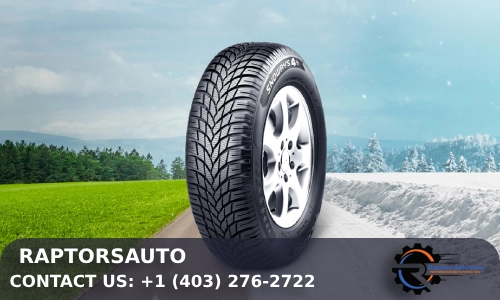
All-Season vs Winter Tires: Which One Should You Choose in Calgary?
Calgary’s weather is unpredictable—sunshine one day, snow flurries the next. So, choosing between all-season and winter tires depends on your lifestyle and driving habits.
Choose all-season tires if:
- You drive mainly within city limits.
- You face mild winter conditions.
- You value convenience and cost savings.
- You don’t drive frequently during freezing temperatures.
Choose winter tires if:
- You commute long distances or drive on highways.
- You live in hilly or rural areas where roads freeze quickly.
- You prioritize safety and control in snow and ice.
- You want optimal braking and steering response in winter.
For many Calgary drivers, the best approach is seasonal switching—install winter tires around November and switch back to all-season tires in April. It’s a small investment of time that pays off in extended tire life and peace of mind.

Grip, Tread Depth, and Performance Differences
Grip is everything when it comes to safety, especially when we discuss the difference between all season and winter tires in terms of tread and traction.
The difference in tread design between all-season and winter tires directly explains their performance gap and how each responds to changing temperatures and road conditions.
Tread depth comparison:
- Winter tires: deeper grooves (8–10 mm) for biting into snow, ice, and channeling slush.
- All-season tires: shallower tread (6–8 mm) for smoother rides, comfort, and fuel efficiency on dry or wet roads.
This difference between all season and winter tires becomes most evident when braking or accelerating on snow.
If you’re wondering about all-season tire tread depth mm, anything below 6/32″ can significantly reduce wet traction. For winter tires, replacing them at 4/32″ is recommended to maintain effective snow performance and ensure that the unique design differences continue to provide safety and grip all winter long.
Temperature and Rubber Science
Rubber compounds change with temperature. All-season tires use a harder blend for durability in heat, while winter tires use silica-enriched compounds that stay soft in cold weather. Below freezing, that softness makes all the difference in grip and braking distance.
Real-World Example
Imagine braking on an icy road. A winter tire can stop your car several car lengths sooner than an all-season tire. That difference could prevent an accident entirely.
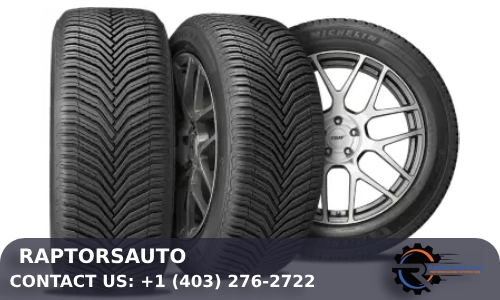
Cost and Durability Comparison
When comparing all-season vs winter tires, consider both immediate and long-term costs.
All-season tires:
- Lower upfront cost.
- Longer tread life in warm climates.
- Can wear out quickly when used in freezing temperatures.
Winter tires:
- Higher initial investment.
- Shorter lifespan if used in warm months.
- Dramatically better safety in cold conditions.
Many drivers save money by alternating sets—each tire type is used half the year, meaning both sets last longer overall. That also helps balance performance and wear.
Difference Between All Season and Winter Tires vs Snow Tires
The difference between all season and winter tires vs snow tires is mostly in terminology. “Snow tires” is the traditional name for winter tires. What truly matters is the three-peak mountain snowflake (3PMSF) symbol on the sidewall. This symbol means the tire meets rigorous winter performance standards.
All-season tires don’t have that certification and aren’t recognized as winter-legal in provinces with mandatory winter tire laws. They simply can’t perform at the same level on ice or hard-packed snow.

Professional engine repair Calgary
FAQs
Yes—winter tires outperform all-season tires in temperatures below 7°C, offering superior traction and braking on snow and ice.
You can, but it’s not ideal for safety. In harsh Canadian winters, all-season tires lose grip and extend stopping distances.
Winter and snow tires are the same; they’re optimized for cold weather. All-season tires, while versatile, aren’t suited for heavy snow or ice.
All-weather tires bridge the gap—they’re winter-certified and handle mild snow, but still can’t outperform full winter tires on ice.
That depends on your vehicle and driving habits. Brands like Michelin, Nokian, and Goodyear offer strong all-weather options that perform decently year-round.
It’s best to install them once daily temperatures drop consistently below 7°C—usually around late October or early November.
They might slightly reduce efficiency due to deeper tread and softer compounds, but the added safety far outweighs the minor fuel impact.
Final Thoughts: Drive Safe with the Right Tires
Understanding the difference between all season and winter tires is more than just a car-care detail—it’s a safety decision. In Calgary’s climate, switching between seasonal tires isn’t just about performance; it’s about protecting yourself and others on the road.
Whether you need all-season, all-weather, or winter tires, the key is using them in the right season. This ensures the best handling, braking, and comfort year-round.
For expert tire advice, installation, or seasonal changeovers, visit Raptorsauto in Calgary. Our team specializes in helping drivers find the perfect tires for local conditions—so you can drive with confidence no matter what the weather throws your way. Contact our experts today.

Thanks for the helpful breakdown! 👍 The explanation of how “all-season” tyres start to lose grip once the temperature dips below ~7 °C really stood out — it’s a reminder that they’re not built for true winter conditions. Meanwhile the dedicated winter tyres with their softer compounds and deeper tread are clearly the safer choice when snow, ice and freezing roads come into play.
Thank you for the feedback. Hope our posts brings awareness and keeps everyone safe on roads
This article gives a clear, practical breakdown of how all-season and winter tires differ — from rubber compounds and tread design to real-world performance in cold weather. It’s a useful reminder that all-season tires are a decent all-around choice, but once temperatures consistently fall below about 7 °C, dedicated winter tires deliver significantly better grip, braking, and control on snow and ice.